
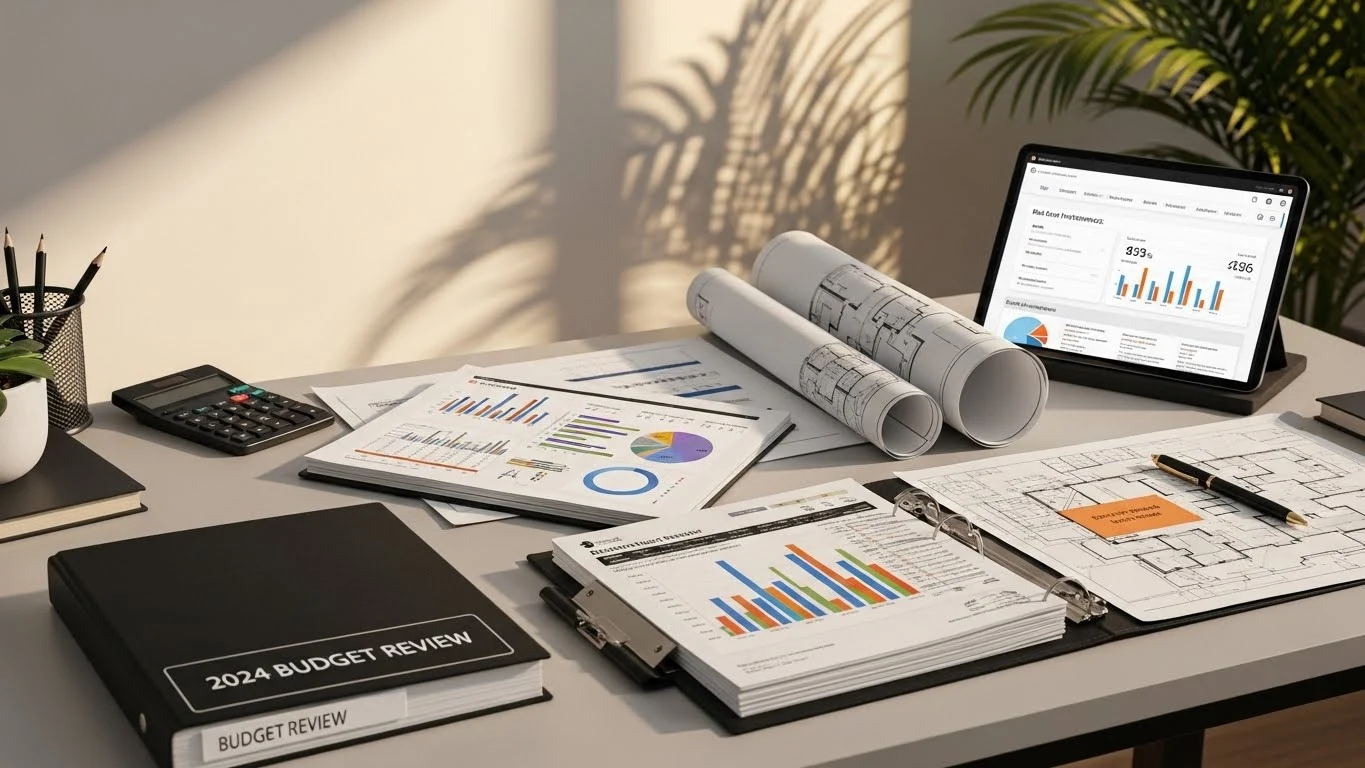
Managing commercial properties in South Florida comes with unique financial challenges. Heat, humidity, hurricane exposure, salt air, and accelerated wear force property managers and asset owners to make strategic budget decisions that directly impact long-term building performance.
The question is always the same: Should this expense be CAPEX or OPEX?
This guide breaks down how to make the right decision—consistently.
Long-term investments that extend the life of a building or significantly improve its performance.
Examples:
Recurring costs needed for day-to-day operations.
Examples:
South Florida reality:
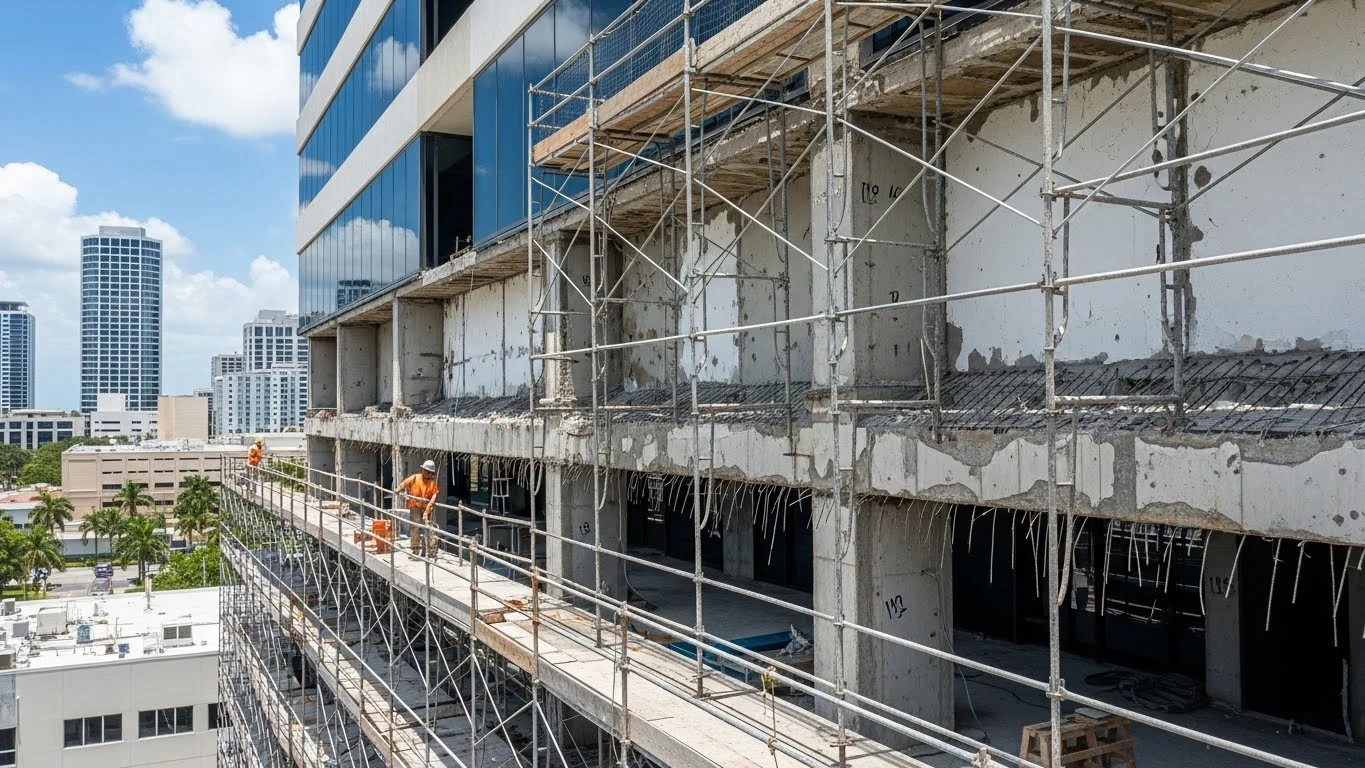
Because of rapid environmental deterioration, some items that are normally OPEX may escalate into CAPEX if inspections or maintenance are delayed.
Property managers across Miami-Dade, Broward, and Palm Beach face:
Correctly categorizing expenses helps managers:
A repair becomes a CAPEX item when:
Real-world South Florida example:
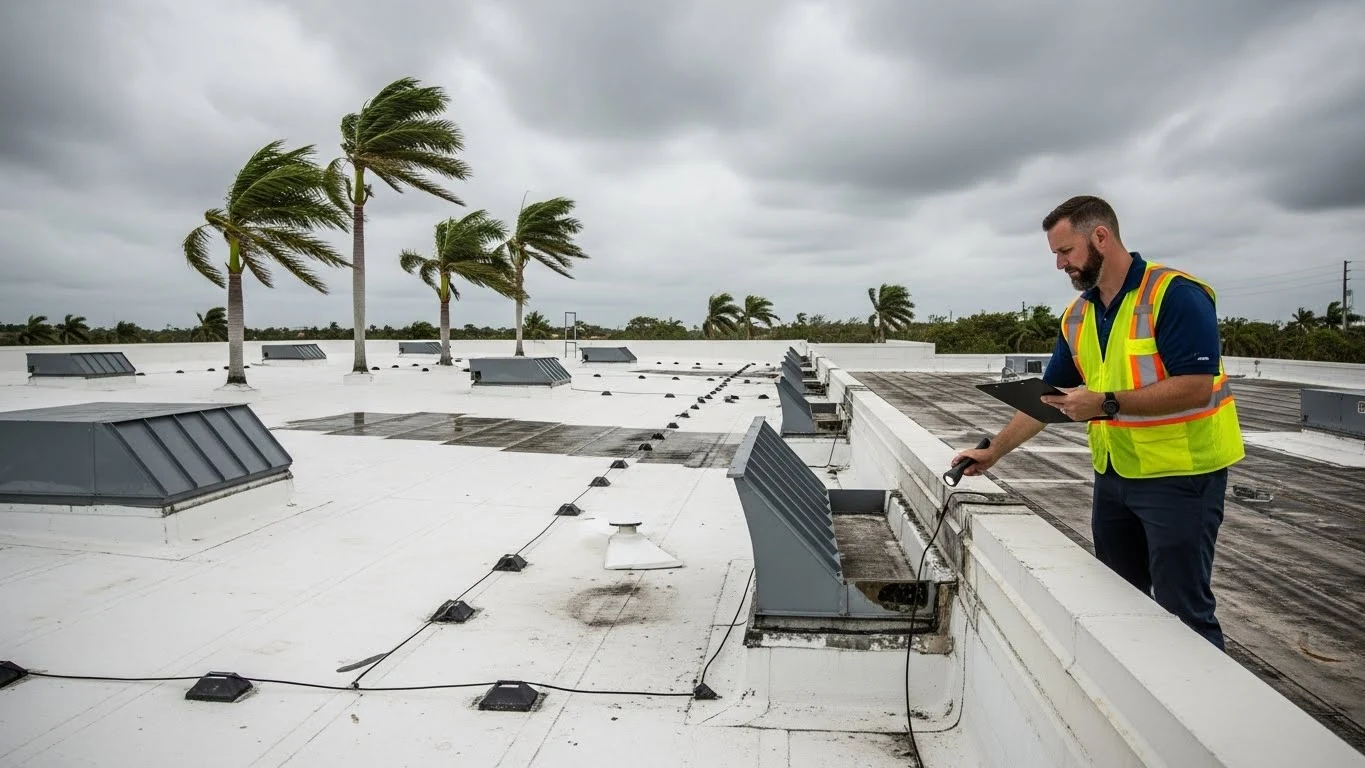
If a roof fails after hurricane season due to lack of preventive maintenance, the resulting replacement is a CAPEX event—even if it started as a small repair.
To maintain financial stability, property managers should adopt a 3-tier planning system:
This approach ensures smoother cash flow and avoids last-minute financial shocks.
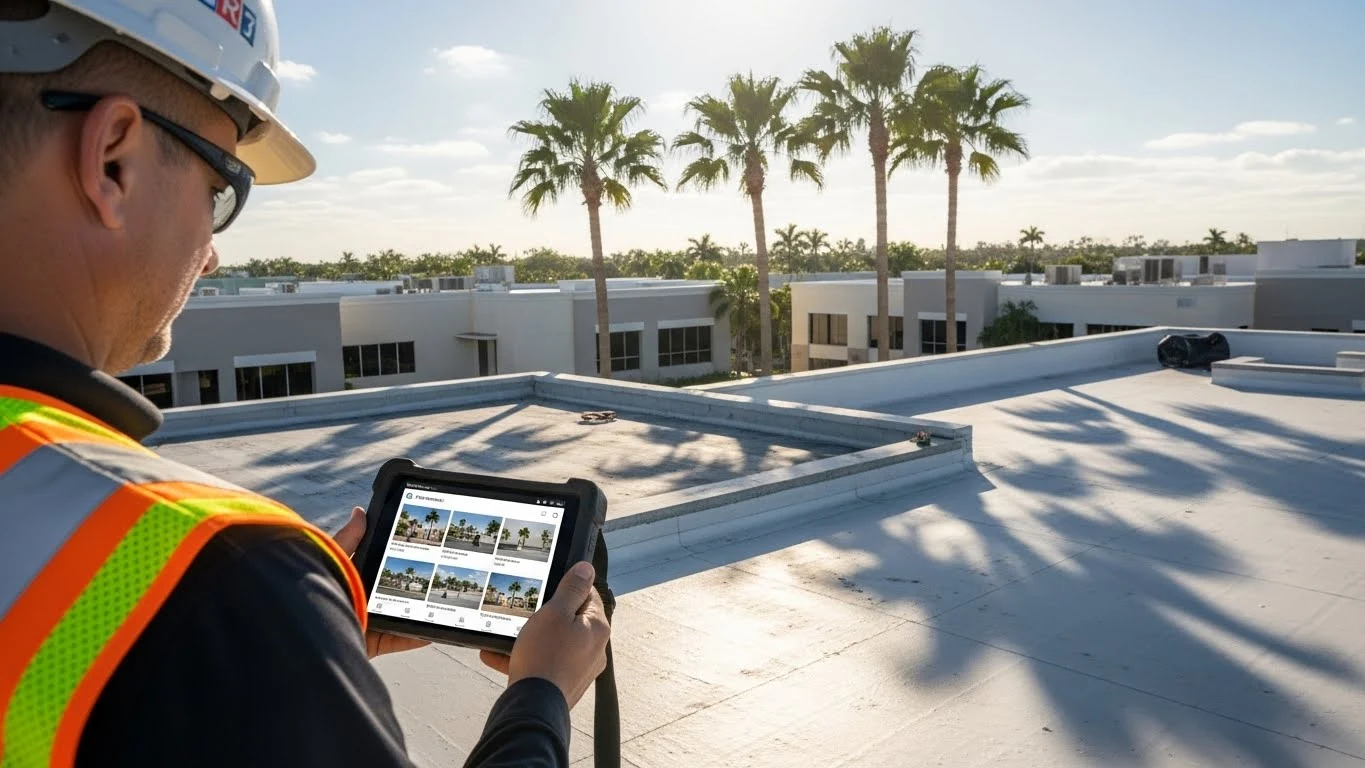
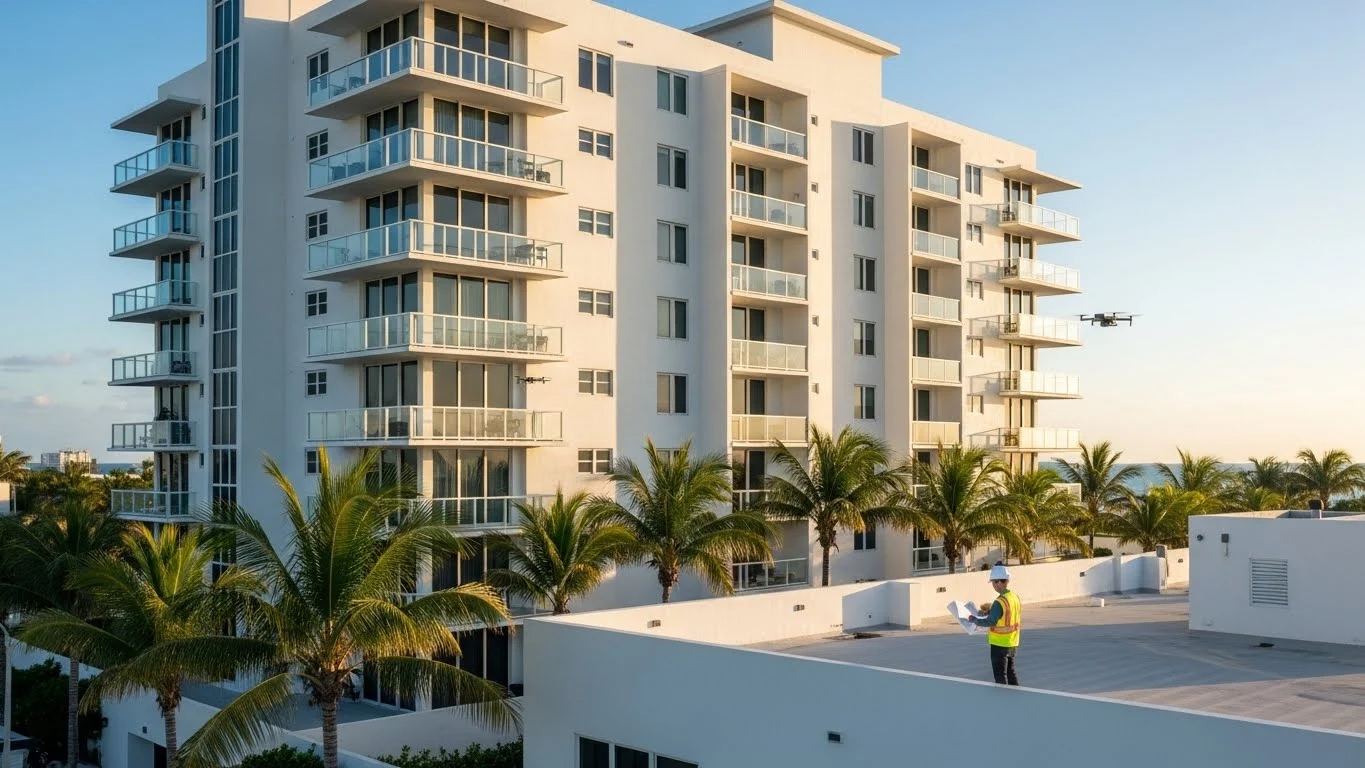
South Florida managers should rely on:
These tools provide objective data for boards, auditors, and CAPEX forecasting.
Routine care can reduce lifetime roof and structural costs by 25–40%.
Proactive maintenance helps identify:
Each avoided failure is a direct financial win.
For South Florida property managers, using CAPEX vs OPEX strategically is essential.
A structured budgeting approach not only protects buildings—it protects entire portfolios from unexpected financial risk.
Need help planning your CAPEX and OPEX strategy?
→ Contact GQM Inc. for a portfolio-wide budget consultation.


.webp)