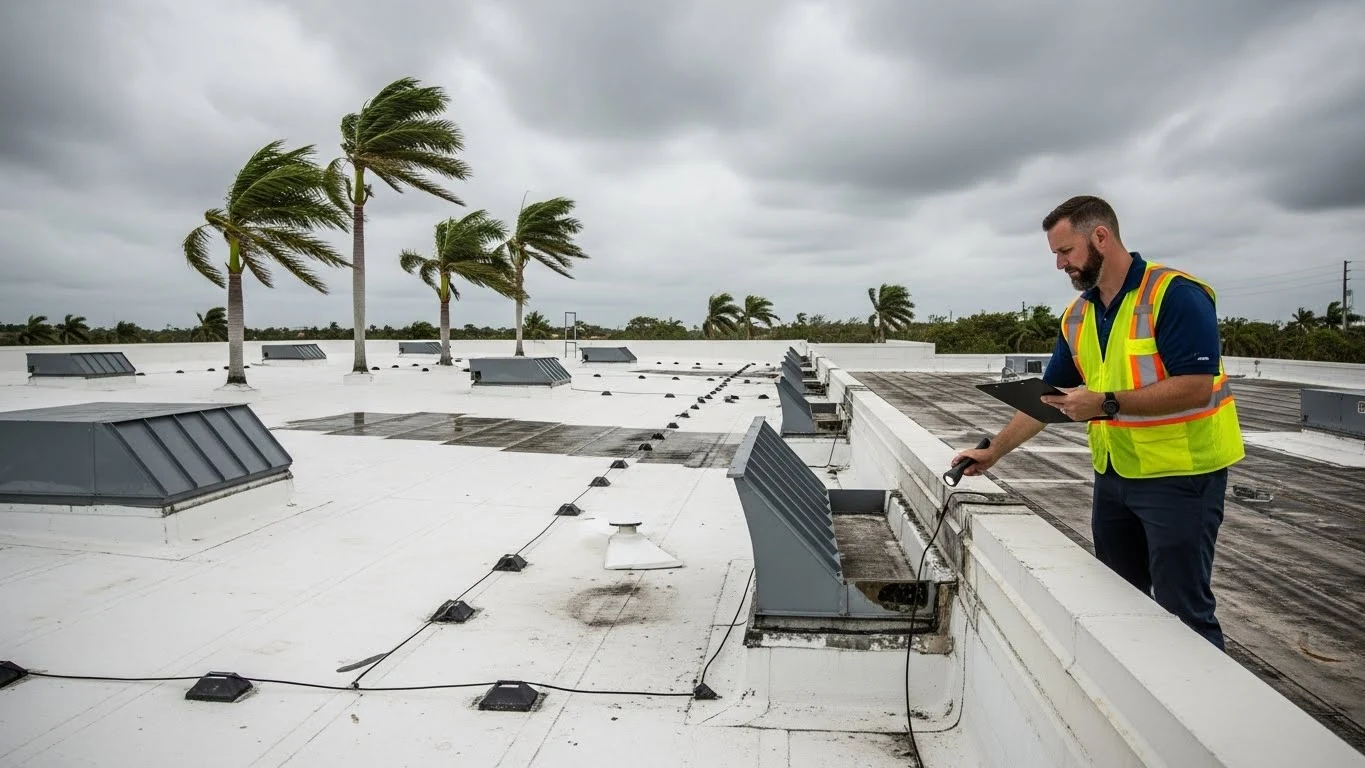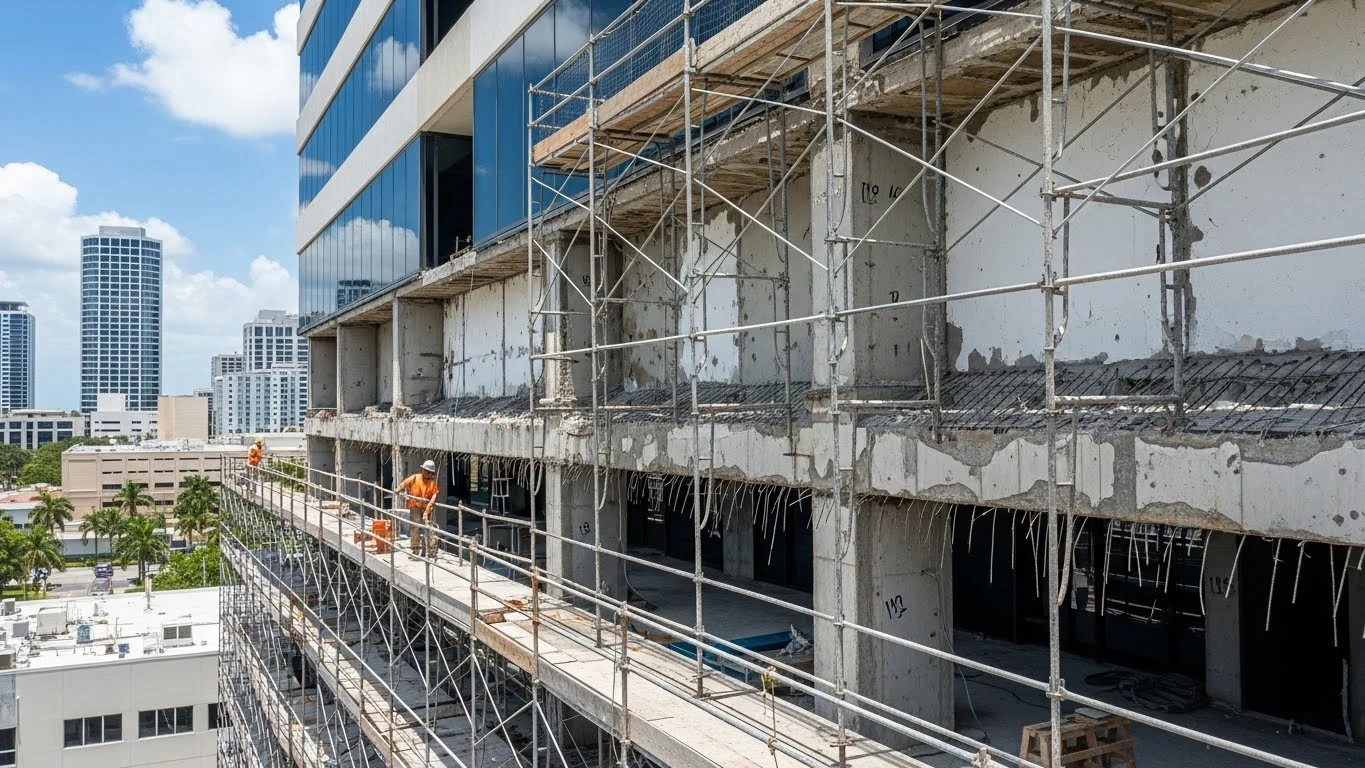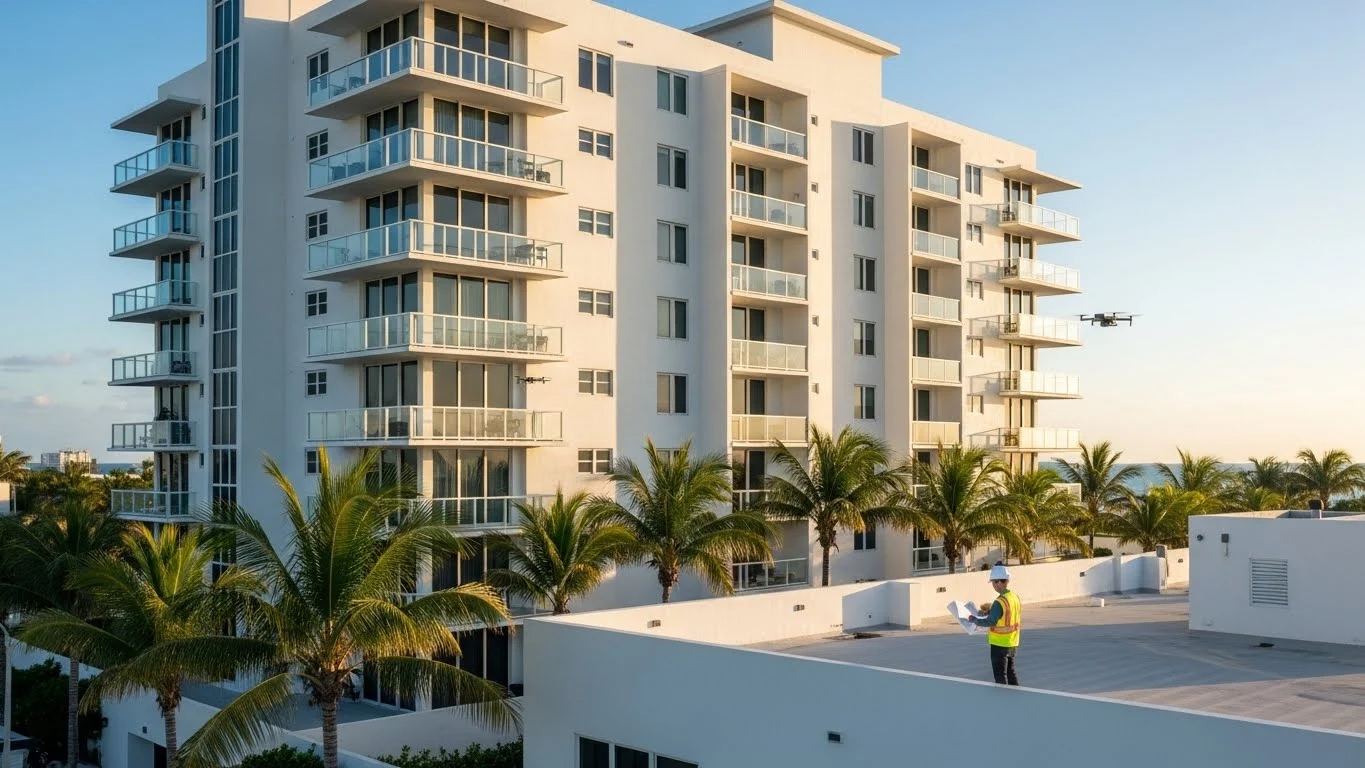
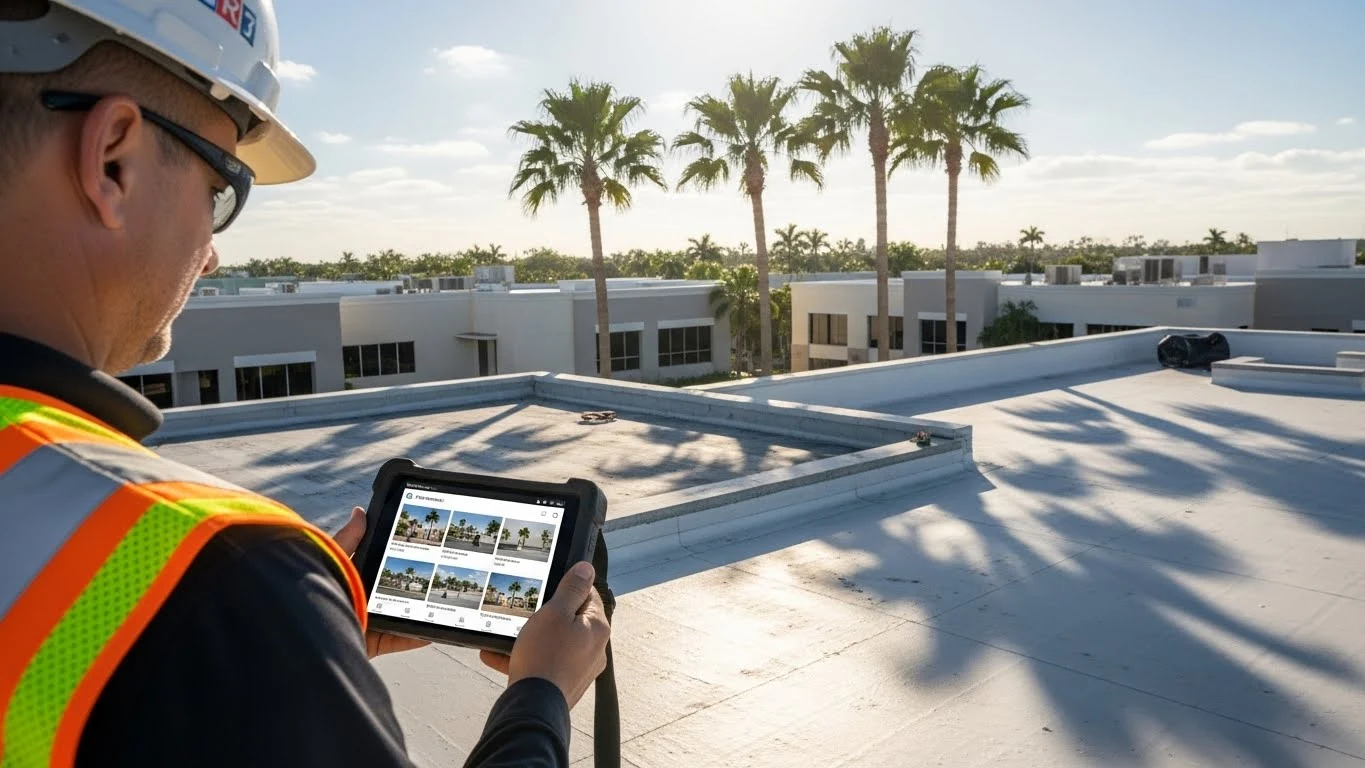
Commercial project documentation on a South Florida commercial building, including photos and digital reports.

How to Document Commercial Projects for Audits, Insurance & Compliance in South Florida

Documentation is one of the most overlooked responsibilities in commercial property management—yet it is one of the most important. Proper documentation protects owners, ensures compliance, supports insurance claims, and provides transparency across large portfolios.

In South Florida, where buildings must meet strict regulations, withstand hurricanes, and follow SB 154 milestone requirements, high-quality reporting is essential.

Here’s how to build a documentation process that keeps your properties audit-ready year-round.

1. Why Documentation Matters in South Florida

South Florida buildings face unique risks:

  • Hurricanes and wind damage
  • Flooding and water intrusion
  • Fast material deterioration due to humidity and salt air
  • Strict structural requirements under SB 154
  • High insurance scrutiny

Without proper documentation, property managers face:

  • Delays in insurance claims
  • Compliance violations
  • Liability exposure
  • Disputes with vendors or subcontractors
  • Lack of transparency for boards and owners

Good documentation reduces disputes, speeds up approvals, and protects your portfolio.

2. Essential Types of Documentation

Every commercial project—small or large—should include:

1. Before & After Photos

Capture:

  • Roof conditions
  • Structural elements
  • Concrete areas
  • Façade issues
  • Damage or deterioration
  • Completed repairs

Visuals are the strongest evidence in insurance and compliance claims.

2. Work Logs & Material Records

Document:

  • Dates
  • Labor hours
  • Materials used
  • Equipment deployed
  • Subcontractors involved
  • Weather conditions (important for roofing and exterior work)

This level of detail prevents disputes and supports CAPEX/OPEX categorization.

3. Inspection Reports

For roofing, concrete, waterproofing, and structural repairs, include:

  • Moisture scans
  • Drone photos
  • Engineering evaluations
  • SB 154 milestone reports
  • Load/structural assessments

These reports are critical for insurance, permitting, and compliance.

4. Permits & Approvals

Always store:

  • Permits
  • Final inspections
  • Close-out documents
  • Manufacturer warranties
  • Notices of commencement

Missing paperwork is one of the top reasons for insurance denial.

5. Final Project Summary

A clean, organized summary should include:

  • Scope of work
  • Timeline
  • Photos
  • Invoices
  • Recommendations for next steps
  • Maintenance schedule (if applicable)

This becomes the official record for board members, auditors, or owners.

3. Digital Documentation for Multi-Property Portfolios

Manual documentation doesn’t scale. Property managers overseeing 20, 50, or 100+ buildings should use:

  • Cloud-based photo archives
  • Shared folders organized by property
  • Standardized reporting templates
  • Naming conventions
  • Dedicated contractor portals
  • Digital inspections with geotagged images
  • Automated reminders for recertifications and milestones

This ensures consistency across the entire portfolio.

4. Documentation for SB 154 & Milestone Inspections

SB 154 requires:

  • Detailed structural evaluations
  • Ongoing reporting every 10 years
  • Evidence of repairs and follow-up inspections

Strong documentation helps property managers:

  • Avoid compliance fines
  • Pass inspections faster
  • Reduce structural risk
  • Maintain accurate long-term reporting

5. Documentation for Insurance Claims

Insurance carriers are becoming more strict in South Florida.

To strengthen claims:

  • Take photos before and after storms
  • Document roof and structural conditions regularly
  • Include timestamps and GPS data
  • Keep contractor reports organized by date
  • Use video when possible
  • Maintain a running maintenance history

The more evidence you have, the faster the approval process.

Conclusion

High-quality documentation is the foundation of transparency, compliance, and asset protection in South Florida. With the right system in place, property managers can simplify audits, accelerate insurance claims, and safeguard their buildings from long-term risk.

Need help with documentation or portfolio-wide reporting?
→ Contact GQM Inc. for standardized documentation solutions across all your South Florida properties.

featured articles

Commercial project documentation on a South Florida commercial building, including photos and digital reports.
How to Document Commercial Projects for Audits, Insurance & Compliance in South Florida
Property manager meeting with a commercial contractor to evaluate multi-building portfolio services in South Florida.
How to Choose a Commercial Contractor for Portfolios of 50+ Properties in South Florida
Make-ready commercial space prepared for occupancy in South Florida.
South Florida Make-Ready Checklist for Commercial Properties
Hurricane-season commercial property inspection in South Florida with roof and structural evaluation.
Hurricane-Ready Buildings: Pre-Season Inspections & Maintenance for South Florida Commercial Properties
Concrete restoration work on a commercial building in South Florida with exposed rebar and structural repair.
Concrete Restoration for Industrial & Commercial Facilities in South Florida
40-year recertification and SB 154 compliance inspection for a South Florida commercial building.
The Complete Guide to 40-Year Recertification in South Florida (SB 154 Compliance)
Commercial roof asset management in South Florida – modern buildings with flat roofing systems.
Commercial Roof Asset Management in South Florida: How to Extend the Life of Your Roofs

Ready to Discuss Your Next Project?

Partner with a licensed contractor that understands the scale and compliance needs of Florida’s largest property portfolios.
Request a Consultation
GQM Inc. project management team collaborating on construction planning and operations in Florida, ensuring precision, quality, and on-time delivery.