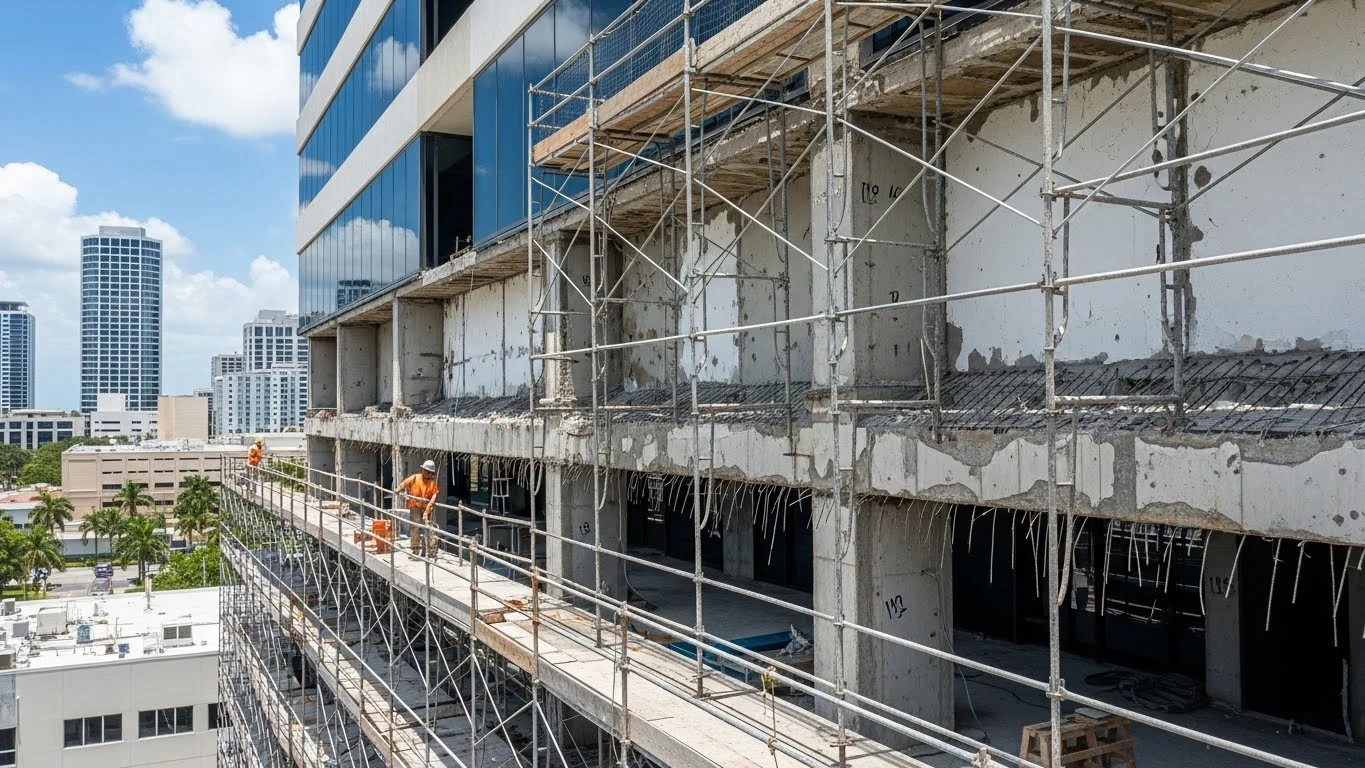
Concrete restoration work on a commercial building in South Florida with exposed rebar and structural repair.

Concrete Restoration for Industrial & Commercial Facilities in South Florida

Concrete deterioration is a major concern for commercial and industrial properties across South Florida. High humidity, salt exposure, heavy rainfall, and daily temperature fluctuations accelerate structural wear—especially in parking structures, warehouses, multifamily buildings, and coastal facilities.

Ignoring concrete damage leads to structural instability, liability risks, and exponentially higher repair costs. This guide breaks down everything property managers need to know to protect their assets and extend the lifespan of their buildings.

1. Why Concrete Deteriorates Faster in South Florida

South Florida’s climate creates the perfect environment for structural degradation. The most common factors include:

  • Chloride intrusion from coastal salt air
  • Water penetration from heavy rains and storms
  • Humidity-driven corrosion of reinforcing steel
  • UV exposure that damages coatings and sealants
  • Thermal expansion due to extreme heat

Combined, these elements accelerate concrete cracking, spalling, and delamination.

2. Warning Signs Property Managers Should Look For

Early detection is critical. Common indicators include:

  • Cracks in walls, slabs, or beams
  • Rust stains bleeding from concrete
  • Spalling (flaking or chipping surfaces)
  • Hollow or delaminated areas
  • Sagging walkways or structural deflection
  • Moisture intrusion or standing water

If any of these signs are present, a structural assessment should be scheduled immediately.

3. Most Common Areas Requiring Restoration

Industrial and commercial buildings in South Florida typically experience concrete damage in:

  • Parking garages
  • Balconies and walkways
  • Warehouse floors
  • Structural beams and columns
  • Podiums and elevated slabs
  • Exterior façades
  • Stairwells and landings

Coastal buildings require even more frequent inspections due to salt exposure.

4. The Concrete Restoration Process

Concrete restoration typically involves:

1. Assessment & Testing

  • Visual inspection
  • Sounding tests
  • Moisture readings
  • Corrosion testing

2. Removal of Damaged Concrete

All delaminated and deteriorated material must be removed.

3. Steel Reinforcement Treatment

Exposed rebar is cleaned, coated, or replaced to prevent future corrosion.

4. Structural Repair

High-strength repair mortars, epoxy injections, or concrete replacement methods are applied depending on severity.

5. Waterproofing & Protective Coatings

To extend lifespan, the repaired area is sealed with:

  • Elastomeric coatings
  • Waterproof membranes
  • Traffic-bearing systems

These coatings protect the structure from South Florida’s moisture and salt-laden environment.

5. The Importance of Preventive Maintenance

Preventive action reduces long-term costs and extends structural lifespan. Recommended steps include:

  • Annual structural inspections
  • Proper drainage and moisture control
  • Regular sealing and coating applications
  • Early crack repair
  • Monitoring high-load industrial areas

A consistent maintenance plan helps avoid expensive structural failures.

6. Why Restoration Is More Cost-Effective Than Replacement

Restoration costs significantly less than full structural replacement and minimizes downtime for tenants and operations.

Restoration provides:

  • Extended structural lifespan
  • Improved building safety
  • Reduced liability
  • Compliance readiness for SB 154 and milestone inspections
  • Better asset value for owners and boards

Conclusion

Concrete restoration is essential for maintaining safe, compliant, and long-lasting commercial and industrial buildings in South Florida. By identifying issues early and working with an experienced contractor, property managers can protect their buildings and avoid costly structural failures.

Need a concrete restoration assessment for your South Florida facilities?
→ Contact GQM Inc. to schedule a structural evaluation today.
featured articles

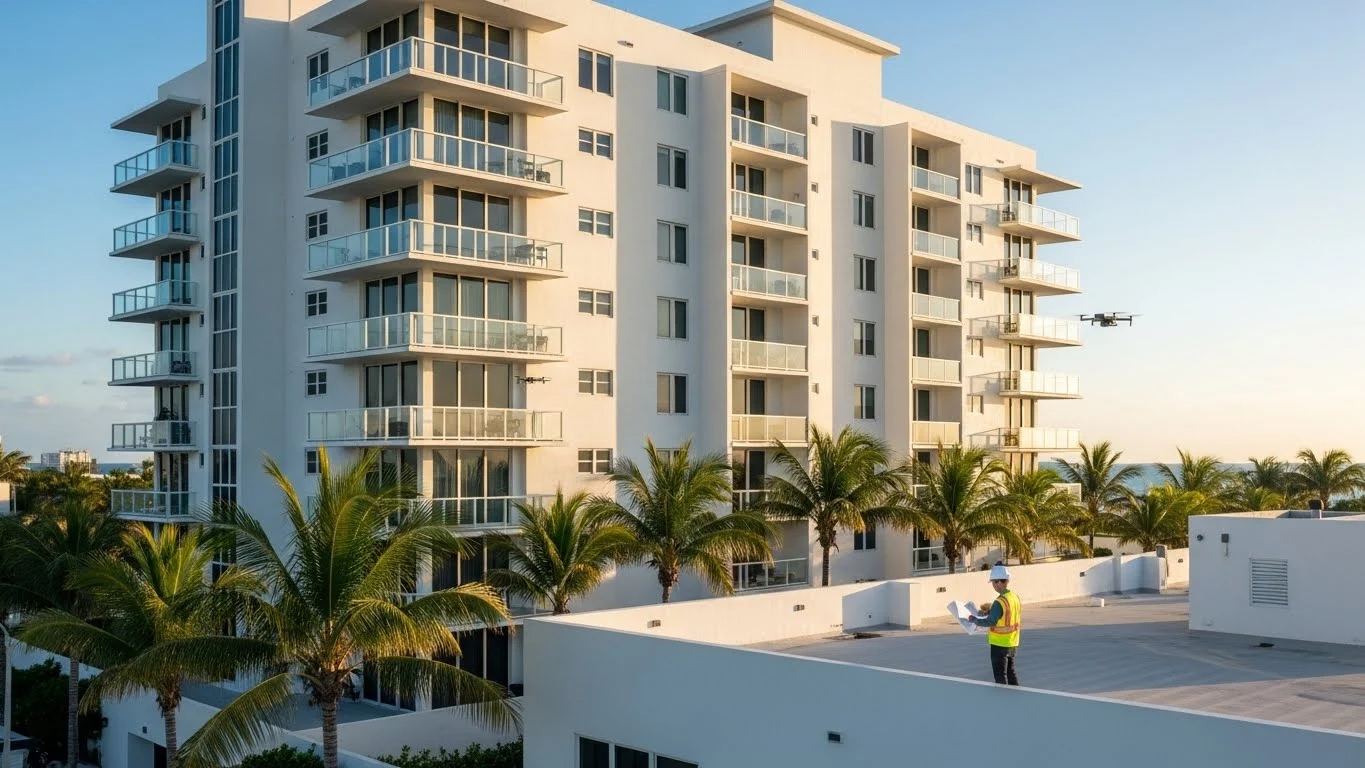
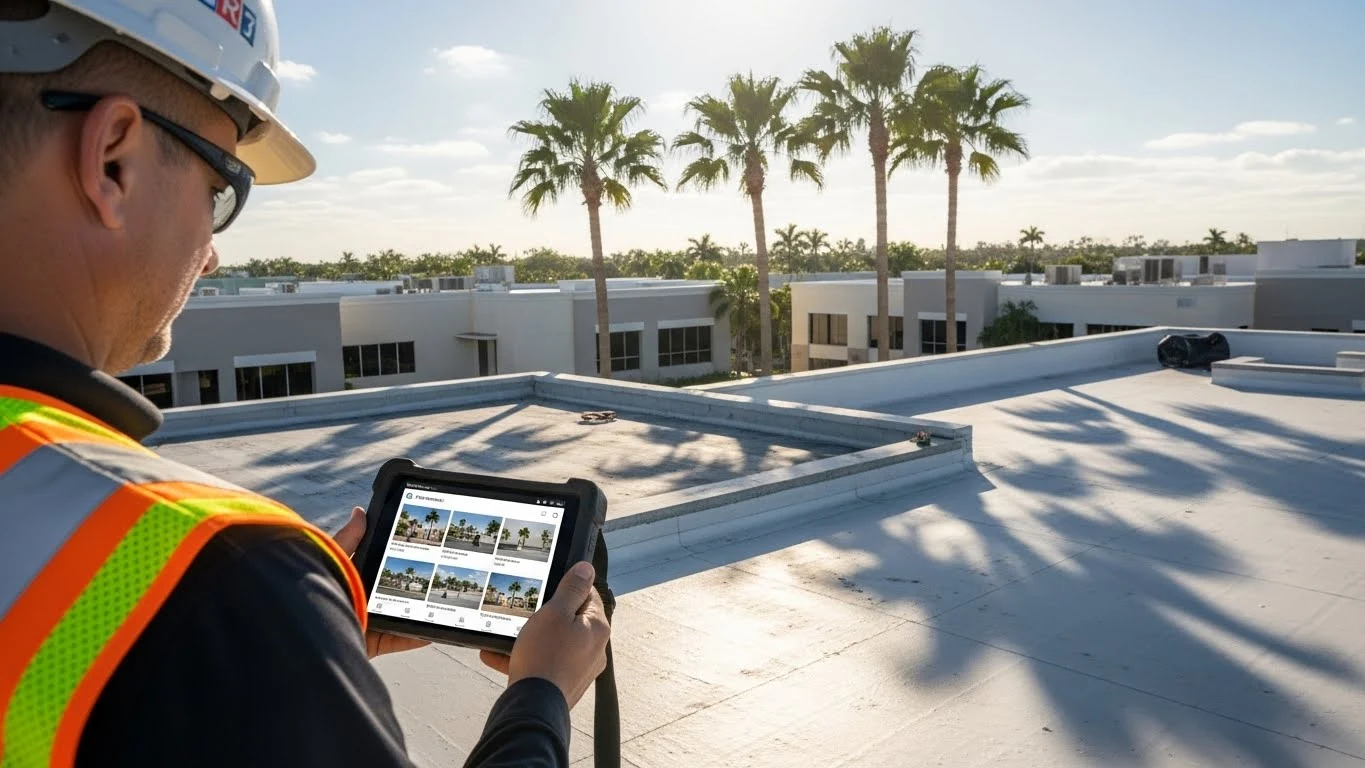
Commercial project documentation on a South Florida commercial building, including photos and digital reports.
How to Document Commercial Projects for Audits, Insurance & Compliance in South Florida
Property manager meeting with a commercial contractor to evaluate multi-building portfolio services in South Florida.
How to Choose a Commercial Contractor for Portfolios of 50+ Properties in South Florida
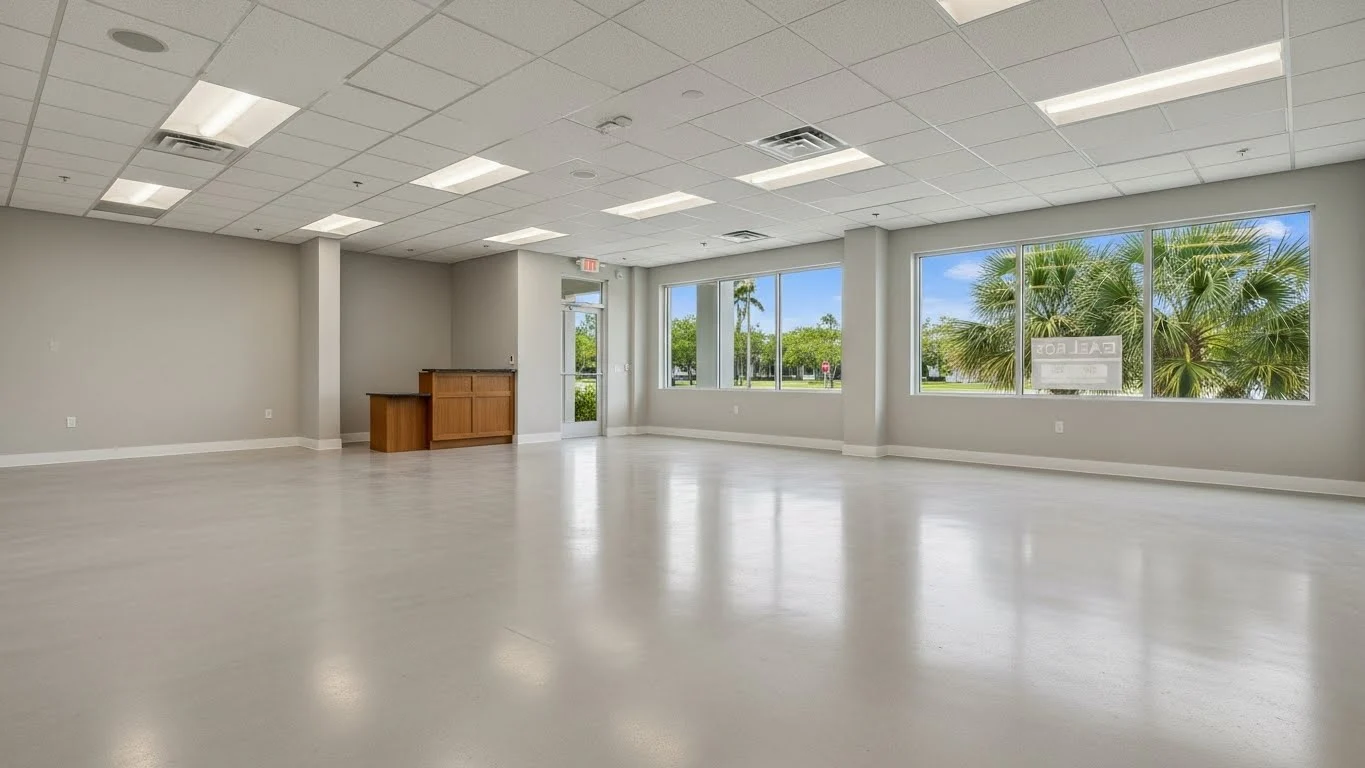
Make-ready commercial space prepared for occupancy in South Florida.
South Florida Make-Ready Checklist for Commercial Properties
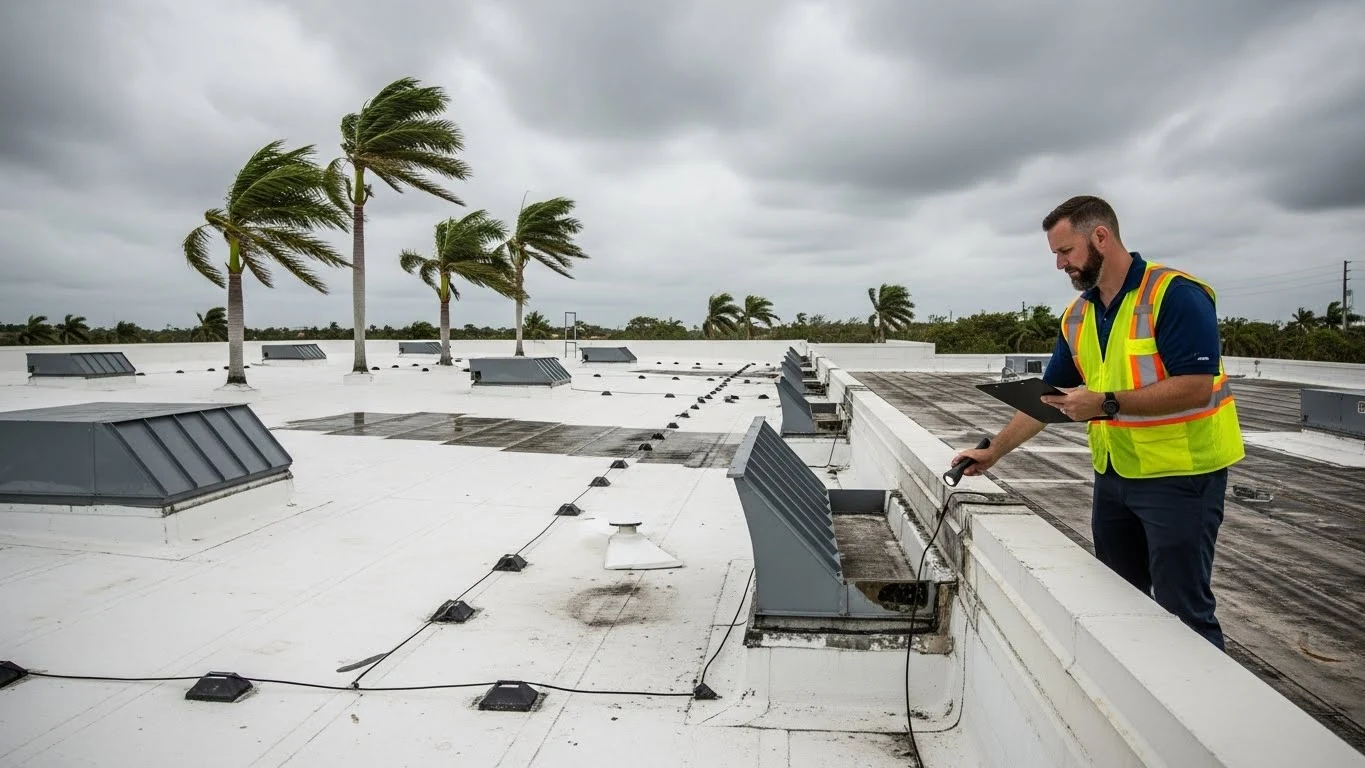
Hurricane-season commercial property inspection in South Florida with roof and structural evaluation.
Hurricane-Ready Buildings: Pre-Season Inspections & Maintenance for South Florida Commercial Properties
Concrete restoration work on a commercial building in South Florida with exposed rebar and structural repair.
Concrete Restoration for Industrial & Commercial Facilities in South Florida
40-year recertification and SB 154 compliance inspection for a South Florida commercial building.
The Complete Guide to 40-Year Recertification in South Florida (SB 154 Compliance)
Commercial roof asset management in South Florida – modern buildings with flat roofing systems.
Commercial Roof Asset Management in South Florida: How to Extend the Life of Your Roofs

Ready to Discuss Your Next Project?

Partner with a licensed contractor that understands the scale and compliance needs of Florida’s largest property portfolios.
Request a Consultation
GQM Inc. project management team collaborating on construction planning and operations in Florida, ensuring precision, quality, and on-time delivery.