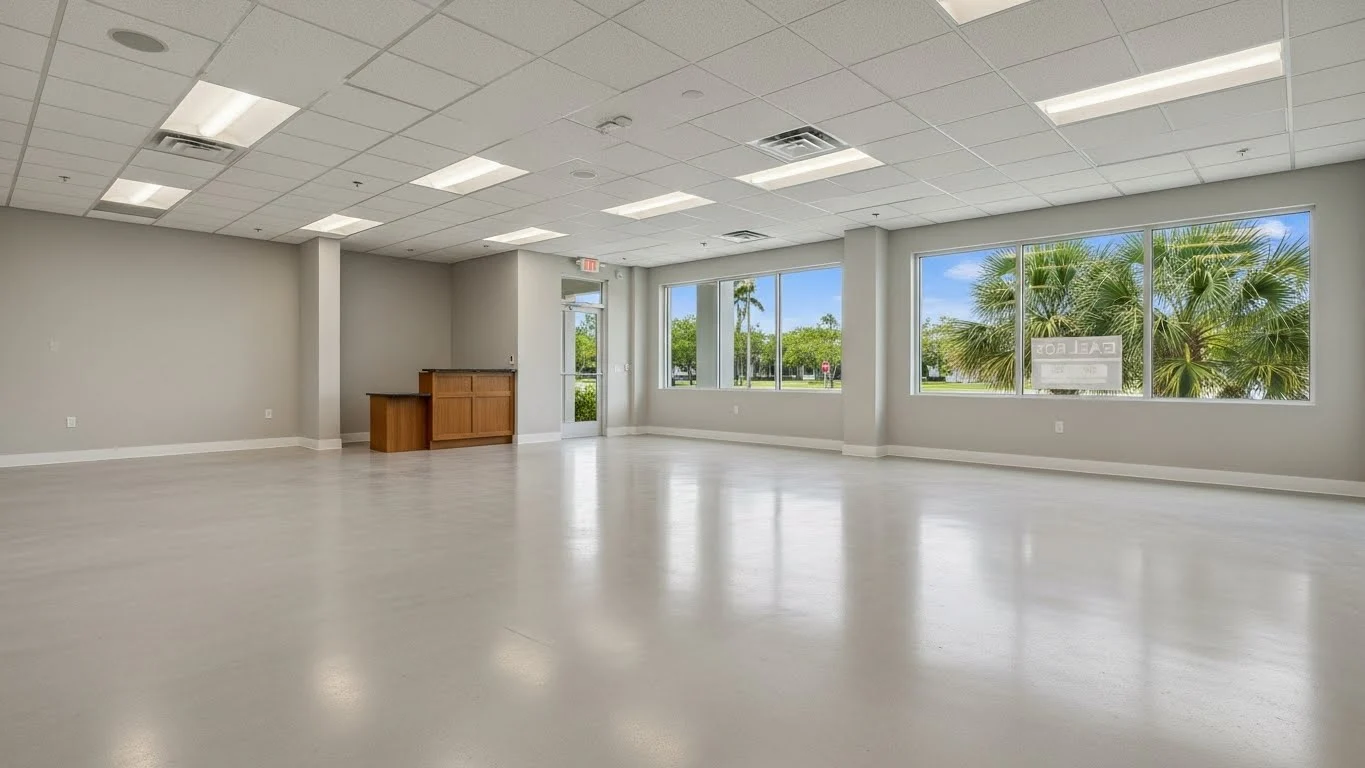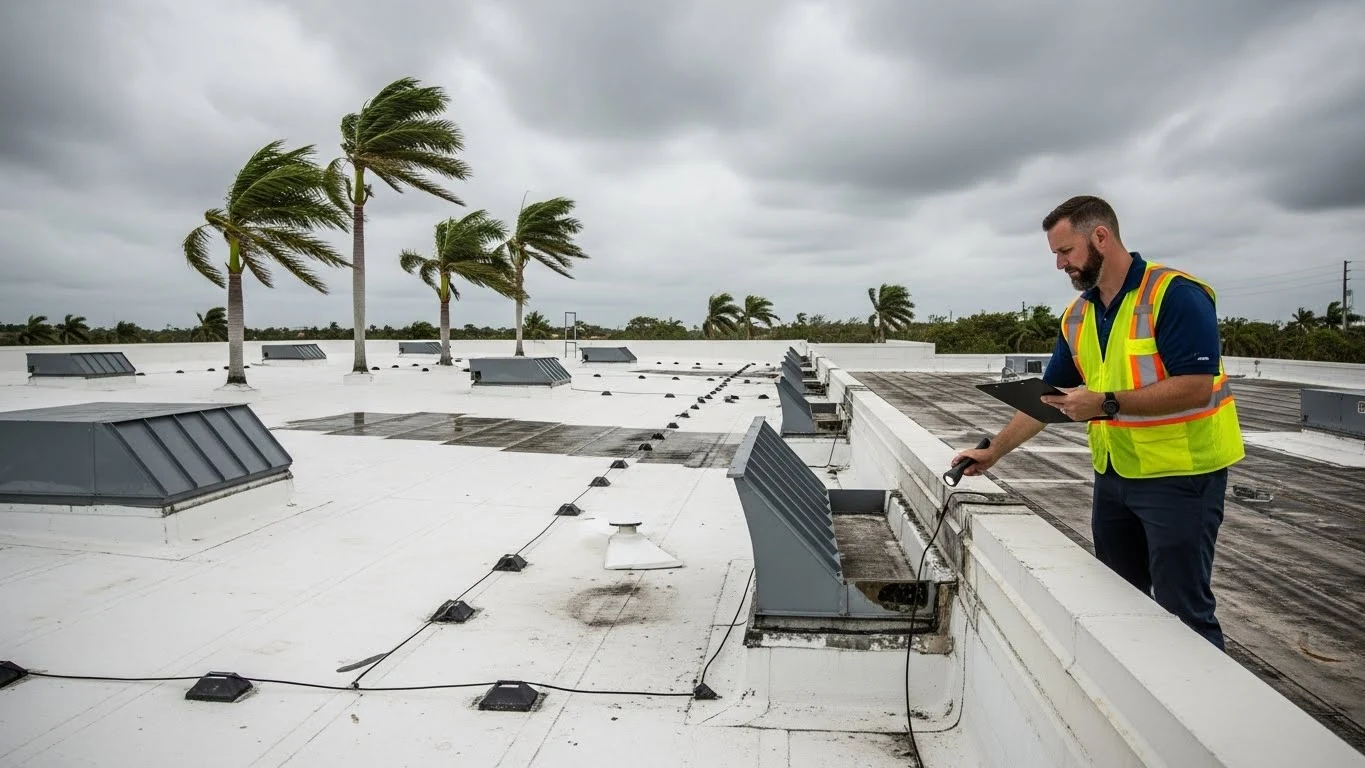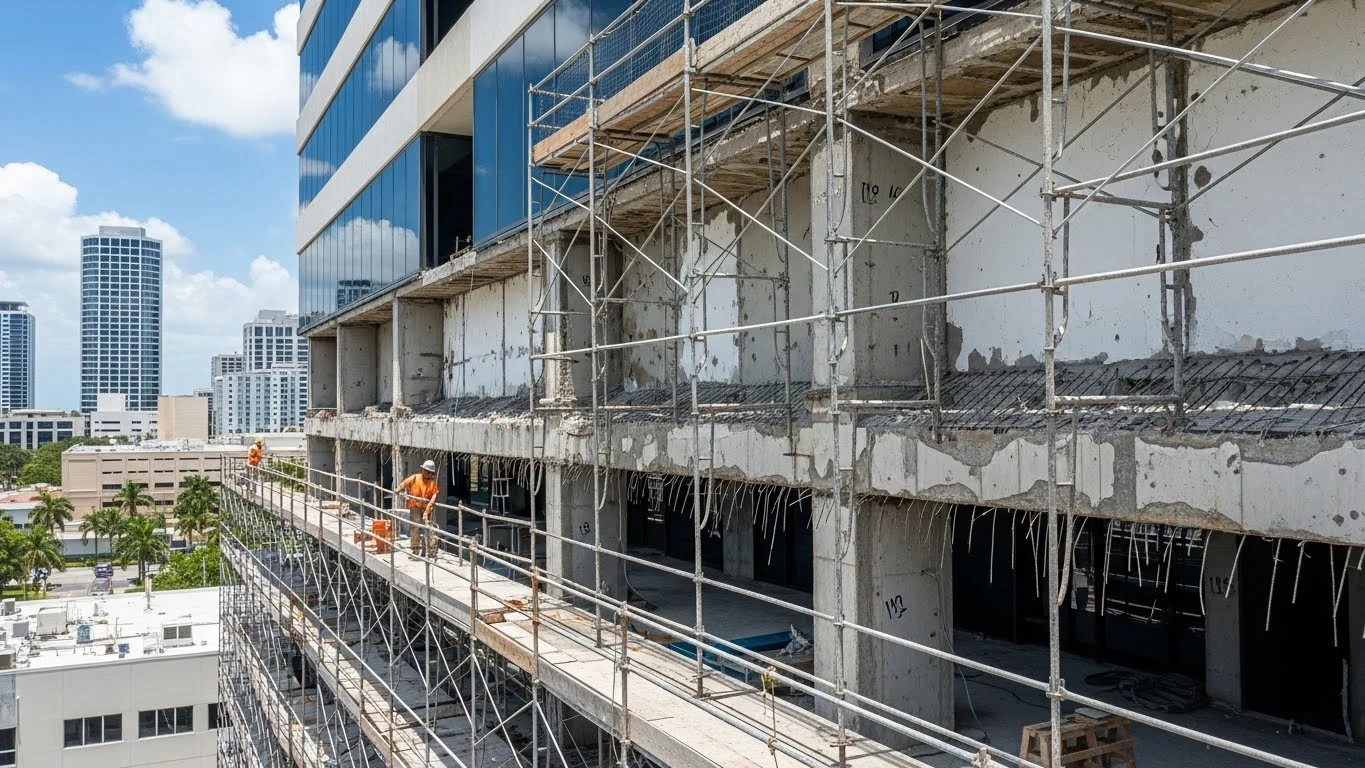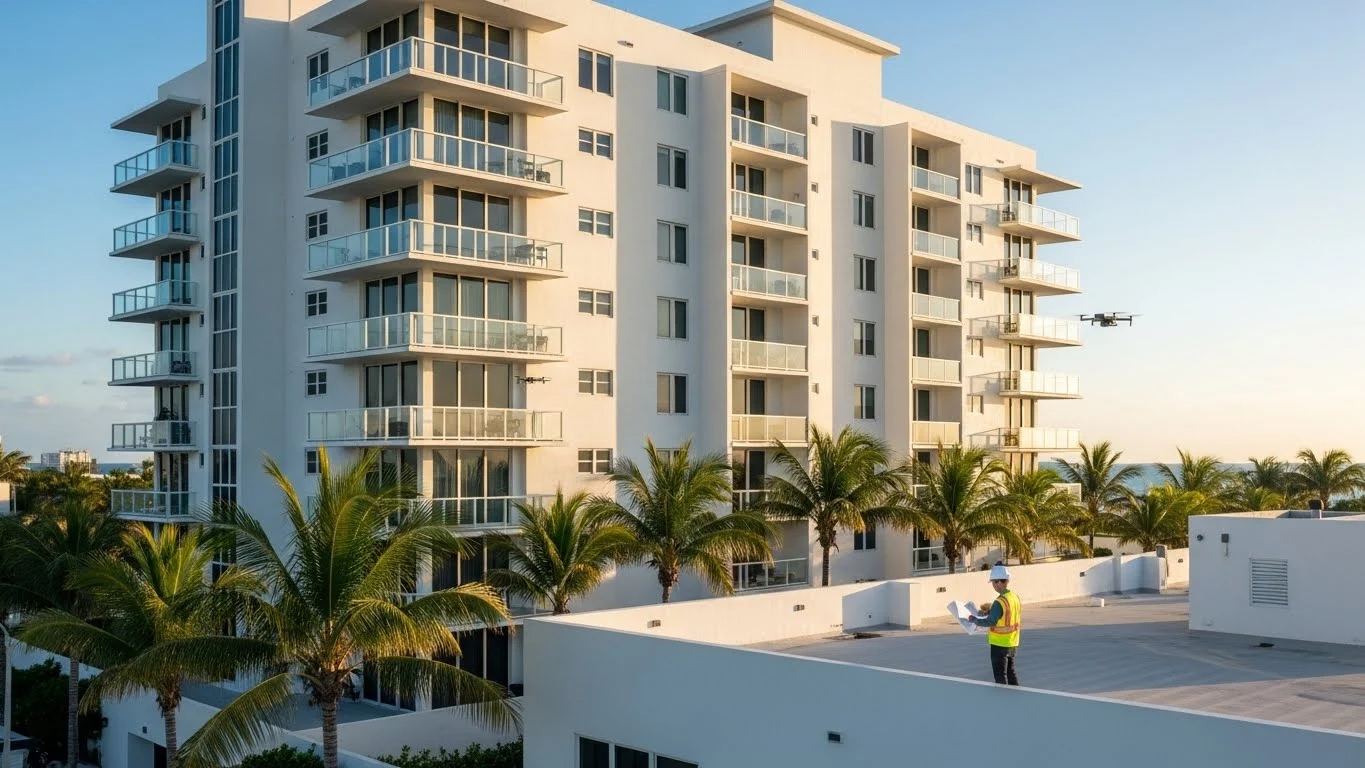
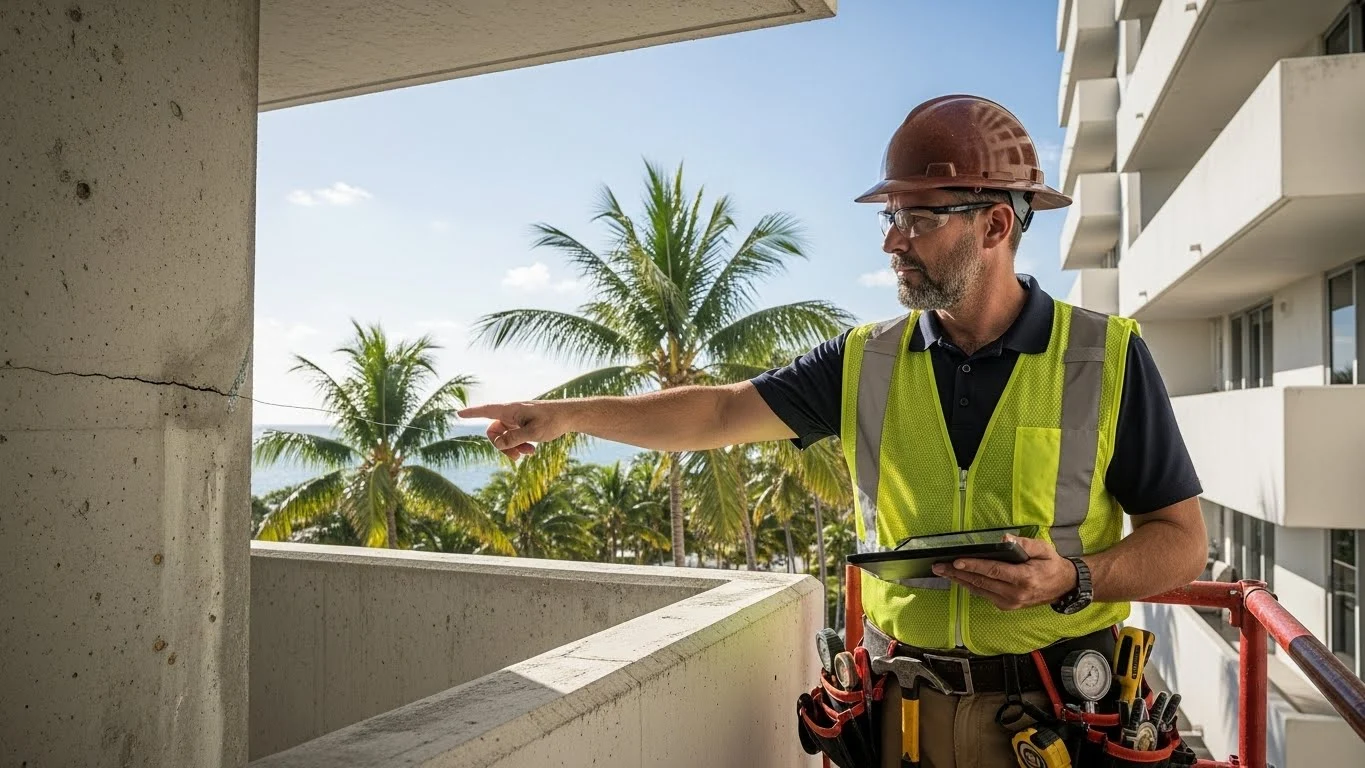
Structural inspection for SB 154 compliance on a South Florida commercial building.

Understanding SB 154: What South Florida Property Managers Must Know About Building Safety & Compliance

South Florida has some of the strictest building safety laws in the United States—and for good reason. After the Surfside tragedy, the state implemented SB 154, a law designed to strengthen structural inspections, increase accountability, and protect residents and occupants.

For property managers, HOAs, and portfolio owners overseeing buildings across Miami-Dade, Broward, and Palm Beach, understanding SB 154 is essential. Non-compliance can lead to legal exposure, insurance complications, emergency CAPEX events, and even building evacuations.

This guide explains everything you need to know.

1. What Is SB 154?

SB 154 is Florida’s updated building safety legislation that clarifies and enhances the requirements for Milestone Structural Inspections, replacing the previous 40-year recertification rules.

The law requires:

  • Earlier inspections
  • More detailed structural evaluations
  • Mandatory follow-up reporting
  • Engineering oversight
  • Increased responsibility for boards and management

2. Who Must Comply With SB 154?

SB 154 applies to:

  • Multi-family buildings
  • Commercial buildings
  • Mixed-use properties
  • Any structure three stories or higher

Exemptions:
Single-family homes and buildings under three stories.

3. SB 154 Inspection Timeline

The inspection schedule depends on distance from the coast:

Coastal Buildings (within 3 miles of coastline)

  • First Milestone Inspection at 25 years
  • Subsequent inspections every 10 years

Inland Buildings

  • First Milestone Inspection at 30 years
  • Subsequent inspections every 10 years

Property managers must be proactive; scheduling delays can lead to penalties and emergency mandates.

4. Milestone Phase 1 vs Phase 2

Phase 1 – Visual Structural Inspection

Performed by a licensed engineer; includes:

  • Load-bearing elements
  • Concrete integrity
  • Cracks, spalling, delamination
  • Moisture intrusion
  • Foundation and structural envelope examination

If no substantial structural deterioration is found, Phase 1 is complete.

Phase 2 – Detailed Structural Testing

Required when Phase 1 identifies structural concerns. Includes:

  • Destructive or non-destructive testing
  • Material sampling
  • Load evaluations
  • Detailed engineering analysis

Phase 2 determines the severity of deterioration and required repairs.

5. Documentation Requirements

SB 154 requires extensive documentation, including:

  • Engineer reports
  • Photos and diagrams
  • Repair recommendations
  • Timelines for corrective action
  • Proof of completed repairs
  • Ongoing monitoring records

These documents must be kept permanently and provided to local authorities upon request.

6. Common Issues Found in South Florida Buildings

Given the climate, property managers often encounter:

  • Concrete spalling
  • Rebar corrosion
  • Water intrusion
  • Failed waterproofing
  • Cracked balconies or walkways
  • Settlement cracks
  • Roof system deterioration

Coastal buildings experience accelerated deterioration due to salt air exposure.

7. How Property Managers Can Prepare

Proactive preparation significantly reduces risk and cost.

Recommended steps:

  • Schedule early evaluations
  • Conduct pre-inspections to identify issues
  • Update documentation and repair history
  • Organize digital property files
  • Create a CAPEX reserve plan
  • Work with a contractor experienced in milestone repairs

Advanced planning protects owners and avoids emergency repairs.

8. The Role of Your Contractor

A qualified contractor should provide:

  • Pre-milestone assessments
  • Concrete and structural repairs
  • Waterproofing enhancements
  • Roof inspections and documentation
  • Portfolio-wide reporting systems

The right team ensures your buildings remain safe, compliant, and properly documented.

Conclusion

SB 154 represents a major shift in how South Florida buildings are inspected and maintained. For property managers and HOAs, preparation and proper documentation are critical to avoiding penalties, controlling costs, and protecting residents.

Need help preparing your buildings for SB 154 milestone inspections?
→ Contact GQM Inc. for structural assessments and compliance support across South Florida.
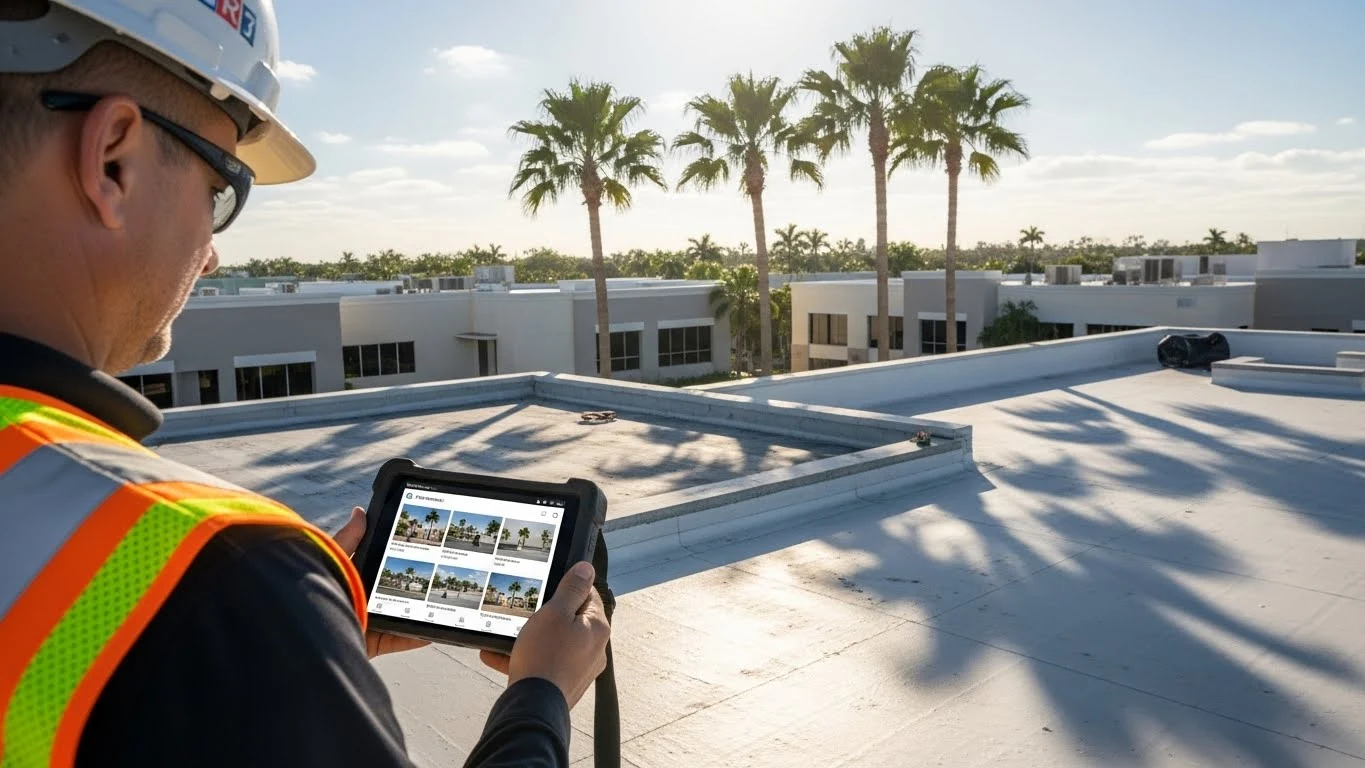
featured articles

Commercial project documentation on a South Florida commercial building, including photos and digital reports.
How to Document Commercial Projects for Audits, Insurance & Compliance in South Florida
Property manager meeting with a commercial contractor to evaluate multi-building portfolio services in South Florida.
How to Choose a Commercial Contractor for Portfolios of 50+ Properties in South Florida
Make-ready commercial space prepared for occupancy in South Florida.
South Florida Make-Ready Checklist for Commercial Properties
Hurricane-season commercial property inspection in South Florida with roof and structural evaluation.
Hurricane-Ready Buildings: Pre-Season Inspections & Maintenance for South Florida Commercial Properties
Concrete restoration work on a commercial building in South Florida with exposed rebar and structural repair.
Concrete Restoration for Industrial & Commercial Facilities in South Florida
40-year recertification and SB 154 compliance inspection for a South Florida commercial building.
The Complete Guide to 40-Year Recertification in South Florida (SB 154 Compliance)
Commercial roof asset management in South Florida – modern buildings with flat roofing systems.
Commercial Roof Asset Management in South Florida: How to Extend the Life of Your Roofs

Ready to Discuss Your Next Project?

Partner with a licensed contractor that understands the scale and compliance needs of Florida’s largest property portfolios.
Request a Consultation
GQM Inc. project management team collaborating on construction planning and operations in Florida, ensuring precision, quality, and on-time delivery.